




| 往期阅览 · All Issues-> 2025年 · 2025 |
|
||||||||||||||||||||
|
||||||||||||||||||||
|
投稿:QuestPress@hotmail.com
加入编委 / 副主编 / 同行评议专家
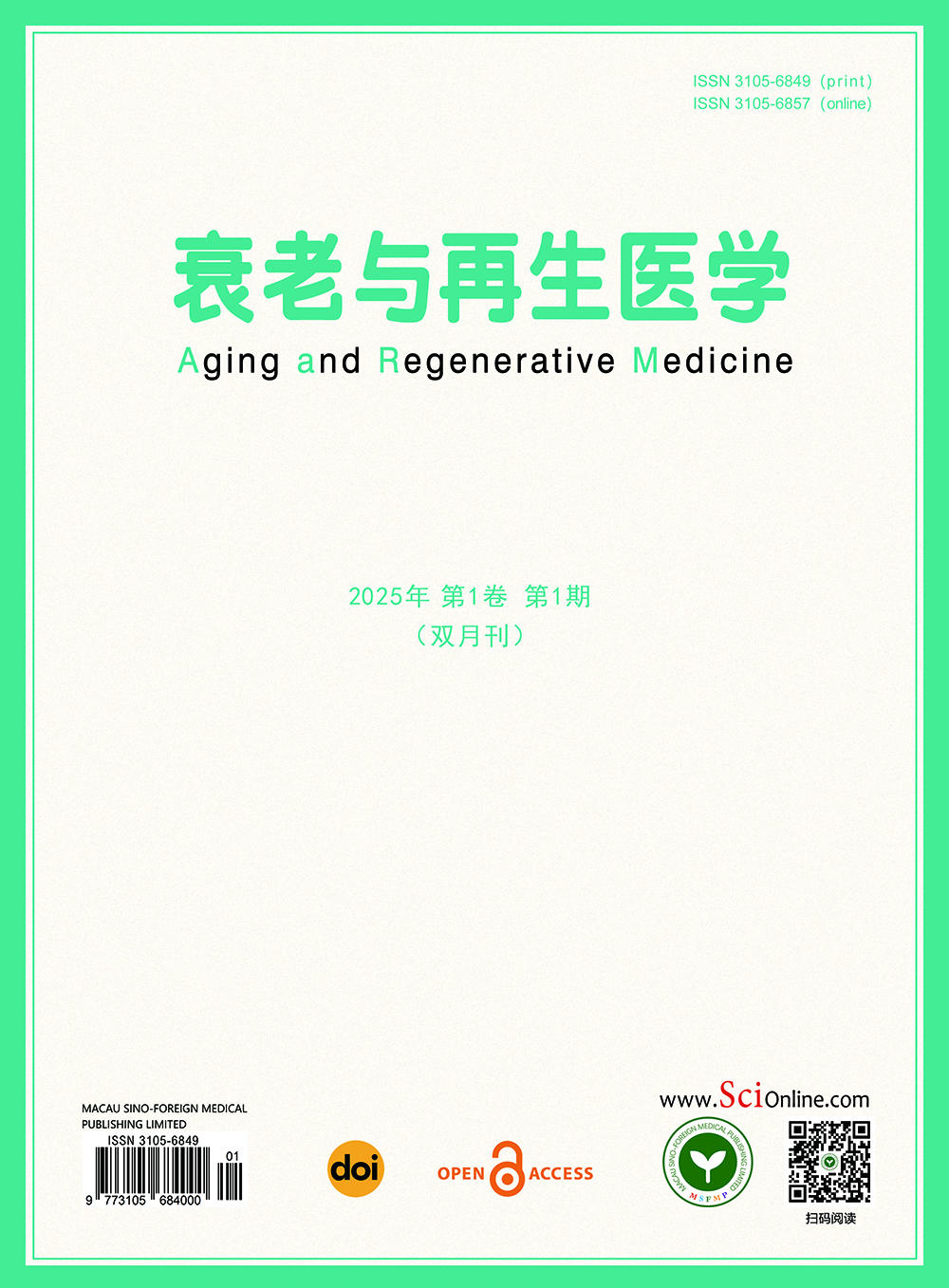
ISSN 3105-6849(Print)
ISSN 3105-6857(Online)
CODEN:SYZYAL
国际标准连续出版物标识符·全球唯一标识符
分配机构:美国化学文摘社(CAS)
DOI前缀:
https://doi.org/10.66106/syzyal
WorldCat(世界图书馆目录)
国图集团 CIBTC
进口备案刊号:G015Z135
编委会(Editorial Board)
主编
黎子辰
同行评议专家
副主编
宋明哲 汤 丽 蔡 琪
编委
柳娜/宁夏医科大学总医院
编委会助理
杜翔
索引 / 检索 / 存档(Global Indexing)
本刊入选以下全球权威数据库,致力于研究成果的全球化无障碍传播。
CNKI(中国知网,申请中)
CNKI Open(中国知网·开放平台,申请中)
CQVIP(维普期刊网,中国)
CQVIP(中文期刊服务平台,中国)
RCCSE(中国学术期刊目录,武汉大学)
CJWK(长江文库,中国)
BOOKAN(博看,中国)
591adb(中邮阅读·万章期刊,中国)
Baidu Scholar(百度学术,中国)
Baidu Baike(百度百科,中国)
ICI(哥白尼期刊数据库,波兰)
EuroPub(欧洲学术出版数据库,英国)
MDPI scilit(科学与学术数据库,瑞士)
Crossref(交叉引用,美国)
Semantic Scholar(语义学术,美国)
OpenAlex(全球开源学术平台,加拿大)
ACADEMIA.EDU(学术界,美国)
OUCI(开放乌克兰科学,乌克兰)
WorldCat(世界编目数据库,美国)
Scite(智能引文分析数据库,美国)
The Lens(透镜学术,澳大利亚)
OpenAIRE(开放学术发现门户,欧洲)
Google Scholar(谷歌学术,美国)
DOI(数字对象唯一标识符,英国)
Portico(数字存储库,美国)
J-Gate(开放获取期刊门户,印度)
ResearchGate(研究之门,德国)
Research Commons(科睿唯安,美国)
ADL(亚洲数字图书馆,巴基斯坦)
Socolar(开放获取资源检索,中国,更新中)
Sci Online(科学在线,中国澳门)
OALib(开放存取资源图书馆,美国)
EZB(电子期刊图书馆,德国,申请中)
Road(开放科学学术资源,法国)
ISI(国际科学索引平台,阿联酋迪拜)
ASCI(亚洲科学引文索引,美国)
ESJI(欧亚科学期刊索引,哈萨克斯坦)
ResearchBib(研究者索引,日本)
SPI-Hub™(范德比尔特大学,美国)
SJIF(科学期刊影响因子,印度)
RJIF(研究期刊影响因子)
COSMOS(期刊评价指标,印度)
LivRe!(开放期刊门户,巴西)
KIND CONGRESS(阿塞拜疆)
Journament(质量评估与索引)
IP Indexing(ip索引)
Magzter(跨平台数字期刊,美国)
SlideShare(知识共享平台,美国)
SCRIBD(在线图书馆,美国)
Yahoo! Search(雅虎,美国)
Microsoft Bing(微软学术,美国)
LibKey(学术文献快捷获取工具)
R Discovery(研究者发现平台,印度)
规划申请
Scopus 爱思唯尔·斯高帕斯(荷兰)
SinoMed 中国生物医学文献服务系统
DOAJ 开放获取期刊目录(瑞典)
PubMed 医学文摘数据库(美国)
PubMed Central 医学全文数据(美国)
EMBASE 爱思唯尔·医学文摘(荷兰)
EBSCO 学术文献数据库(美国)
OAJ 全球OA期刊索引(中国)
CABI 国际农业与生物科学中心(英国)
ProQuest 科睿唯安(美国)
Research4Life 世界卫生组织数据库
Editing and Publishing
Macau Sino-Foreign Medical Publishing Limited(MSFMP)
Address
Unit D, 7th Floor, No. 19, Rua de Pa̍k-chiông Vai, Macau
Telephone
+853 6881 9699
Email
QuestPress@hotmail.com
Web site
https://slyzsyx.scionline2025.com
| 往期阅览 · All Issues-> 2025年 · 2025 |
|
||||||||||||||||||||
|
||||||||||||||||||||